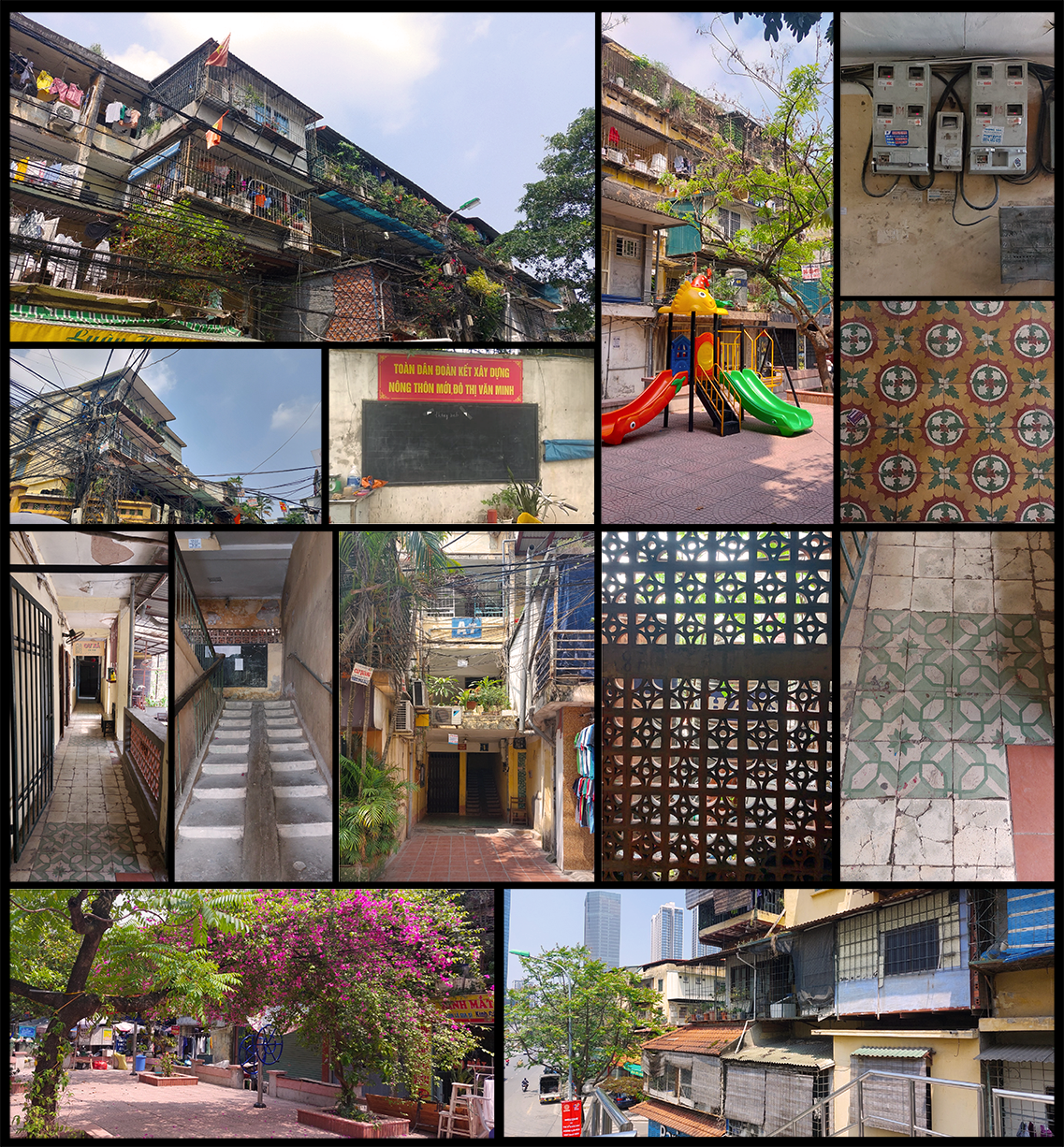
The collective living quarter, for many people, is not only a historical witness or an architectural trademark of the period, but also contains beautiful memories. For this reason, the project “Tập Thể” aims to recreate the stories associated with these buildings, create a "land of memories” for audiences to immerse themselves in and explore. Besides telling stories, we hope that the project is also an opportunity for the public, particularly young people, to better understand the life behind the walls of the collective quarter. Therefore, they will slowly give more attention to a lifestyle, a culture that gradually disappears.
The event was divided into two sections : Tập Hợp and Triển Lãm.
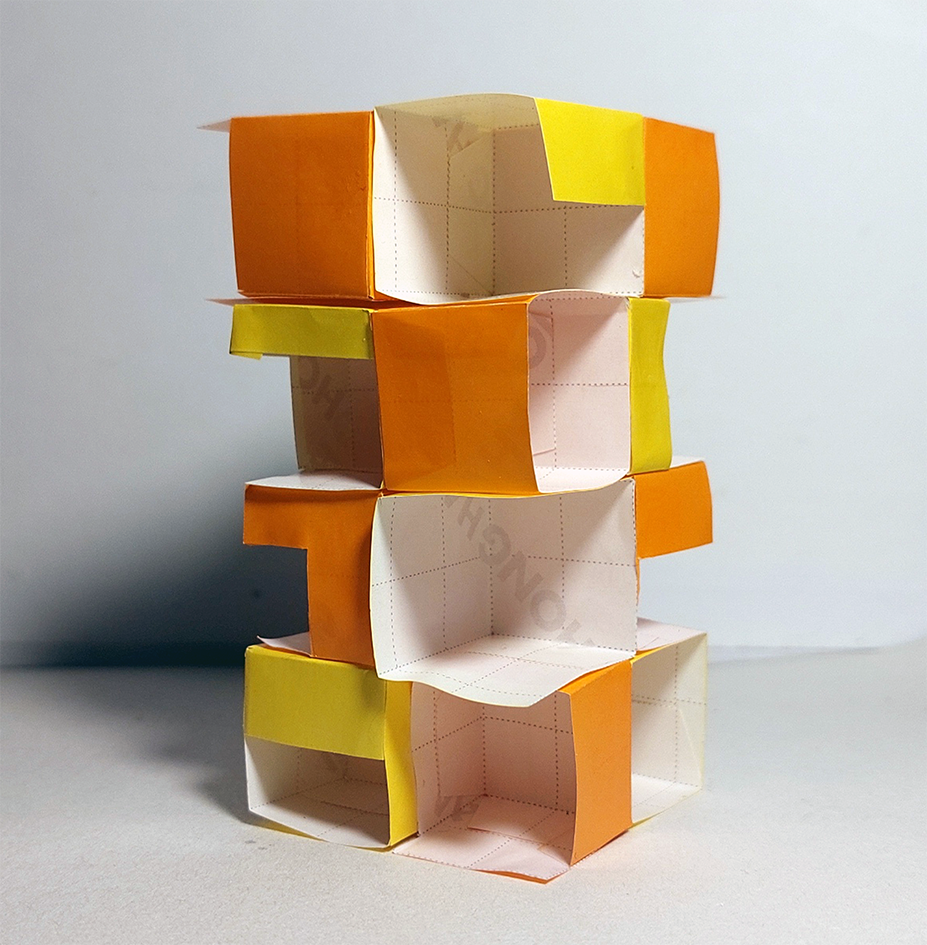
Tập Hợp (collect) is a competition where people recreate their memories with the collective quarters in two formats: photographs and paintings. The museum then collects the artworks and puts them into an exhibition (Triển Lãm). The exhibiting format is a combination of physical elements (models, artworks) with AR technology. Therefore, audiences will not only look at the works but also interact with them, creating the feeling of being immersed in the showcase.
How to define “Tập Thể”?
The project is an opportunity for the museum to introduce and preserve a culture, a lifestyle of Hanoi that is gradually disappearing through interesting activities. On the other hand, the project also helps to create a bond between the museum and the community, by allowing the audiences to be involved in the creation of the exhibition.
It can be seen that nowadays, people tend to move out of these collective living quarters to live in more modern and comfortable houses, especially the young generation who have stable income. However, the building still contains beautiful memories. Therefore, the project is aimed to be the “playground” where people can share thoughts and stories of them with the collective quarters, recall their memories about the old day, as well as explore how these buildings look like under other people’s perspectives.
One of the problems with these quarters is that these are the home for thousands of people in Hanoi. However, after 50 years, most of them have now deteriorated. No one can say exactly what will happen to these quarters in the future. Will they be preserved or demolished? If they disappeared, how would the next generations learn about them, apart from books and documents? Consequently, "Tập Thể" honours an architectural and cultural feature that was once very familiar and popular to Hanoians, from there hope to gain more attention to the restoration and preservation of these buildings.
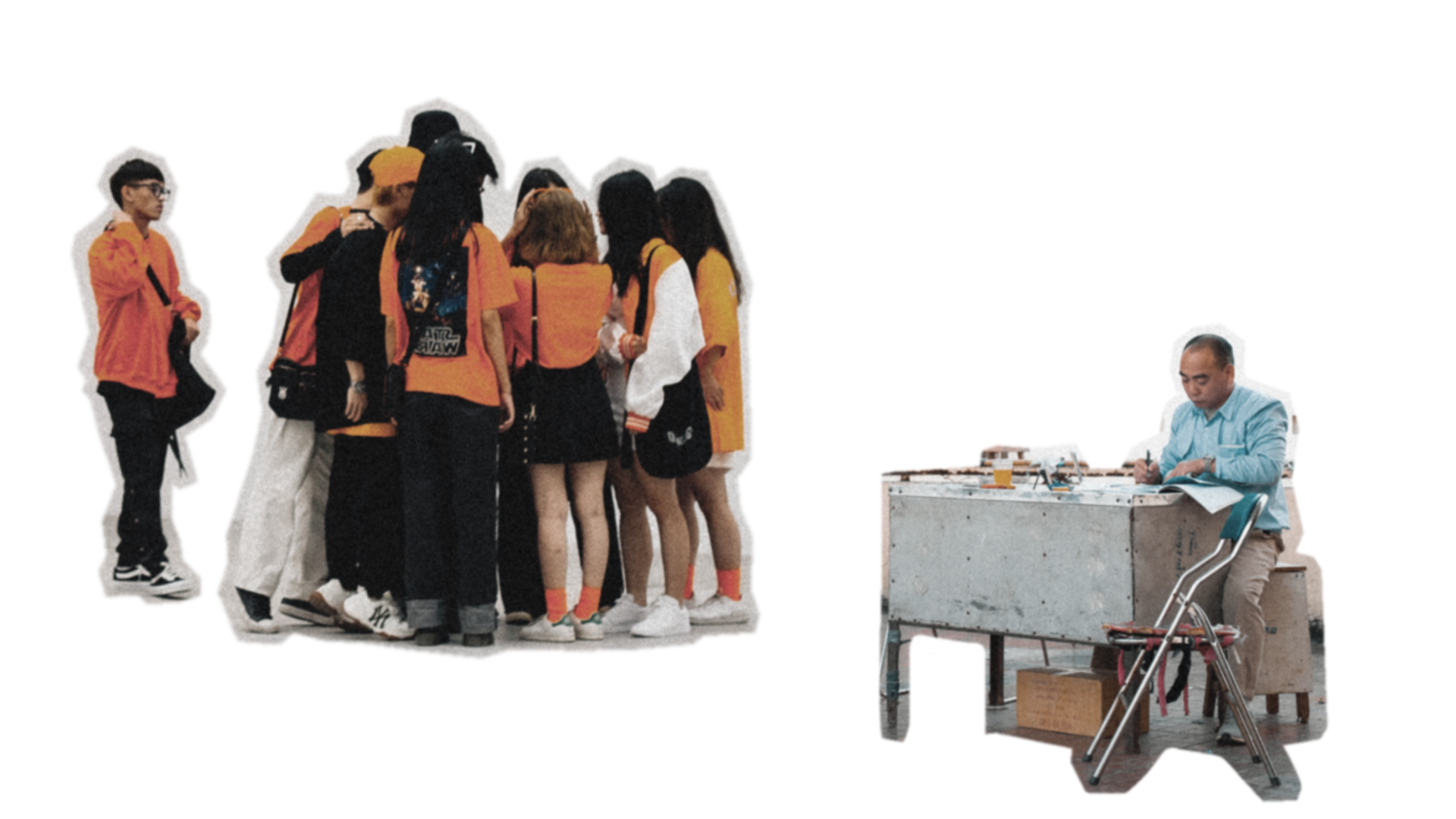
The target audience of the project are:

%402x.svg)