It aims to introduce the culture of Cờ Vỉa (playing chess on the streets) and raise awareness about the sustainability of positive street activities in Hanoi. The event is hosted every weekend inside an exhibition area in The Vietnam National Museum of History.
The project focuses on the valuable chess playing culture that represents a part of the city’s image. Despite its benefits and values, younger generations lack interest in this cultural activity, and a majority of people believe that the culture is strictly associated with middle-age workers and elders. In order to tackle the issue, Chơi Cờ event hopes to bring Cờ Vỉa culture closer to the youth, and to create a mutual space where everyone can experience interesting activities and gain more understanding of the contemporary cultures and their values to the city and its communities.
How to define ‘Chơi Cờ’?
The museum focuses mainly on displaying tangible objects that possess historical values such as ancient tools or old sculptures and ceramics. From what I see, there is a lack of interaction between the visitors and what is displayed inside the museum. Furthermore, the history and culture of Hanoi is not represented enough through the displays.
Young people are adapting to new cultures that involve going outside with friends. As a result, multi-functional locations like coworking spaces or board game cafes are favoured by the young communities such as highschool and university students.
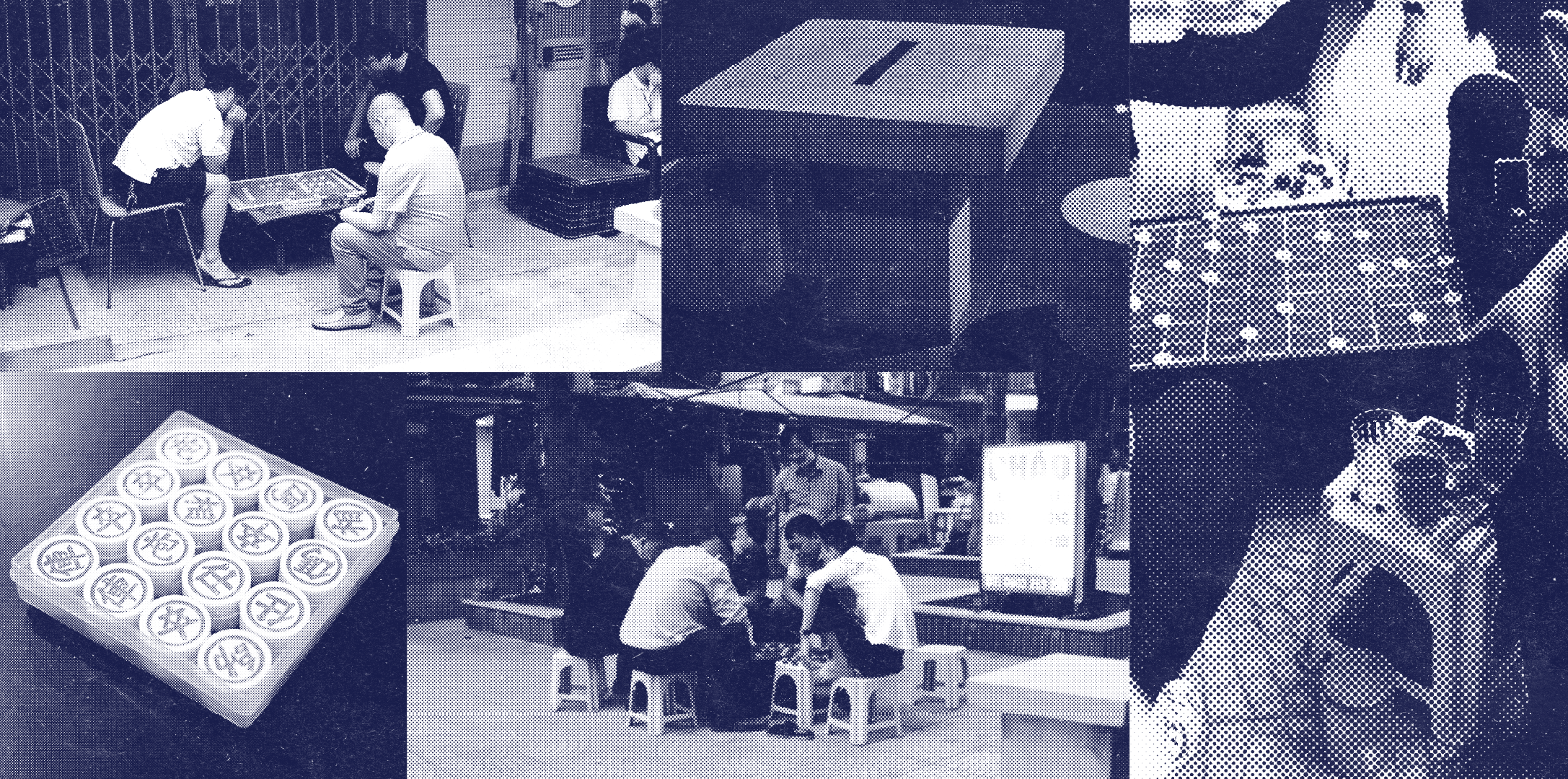
It can be seen that a wide variety of communities from different backgrounds and living standards are participating in the street activities.
Hanoi is more about what is in the past, namely the old quarter and other historical monuments like Hoan Kiem lake.
While the sidewalk activities are regarded as a distinctive image that represent a cultural aspect of the city, the recent city planning direction favours the movability of transportations by reducing the space of the sidewalk to create wider roads. In suburban areas, more and more designated outdoor spaces like parks and squares are built to serve the local residents. These mutual spaces are crucial to the well-being of the city’s citizens.
The main target audiences of the event are:
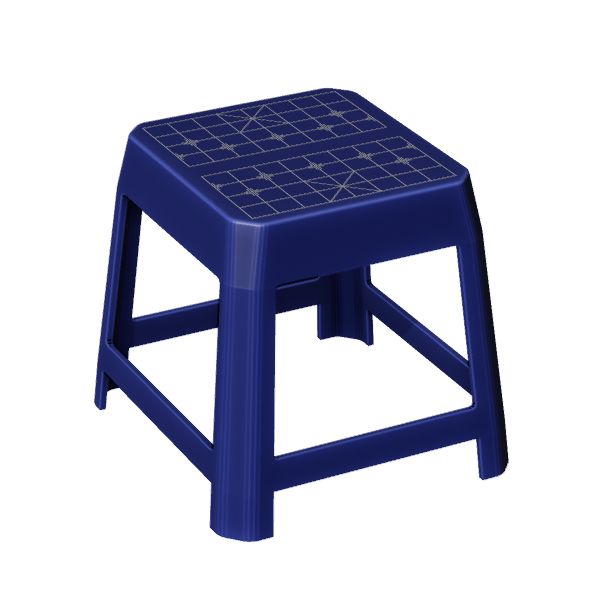
By combining the imagery of Xiangqi chessboard and the plastic stool, I want to highlight the interconnection between Cờ Vỉa and other street cultures of Hanoi. The design also represents the project’s goal to popularise Xiangqi through a familiar image that acts as a symbol of the sidewalk life.

%402x.svg)